Dealing With Foot-Ankle Deformity in Children

Foot-ankle deformities in children can interfere with proper growth and walking patterns. One example is metatarsus adductus, where the outside border of one or both feet curves inward, giving the foot a bean-like shape. This can develop from the position of the baby in the womb and may affect balance as the child begins to walk. Some children have flexible feet that straighten over time, while others develop stiffness that limits movement. A podiatrist can examine the foot’s flexibility, use imaging if needed, and monitor how the bones and joints are forming. Supportive shoes, orthotic inserts, and stretching exercises can help realign the foot and improve function. In more serious cases, casting or surgery may be required. Early evaluation helps ensure proper development and prevents long-term walking issues. If your child was born with a foot-ankle deformity, it is suggested that you make an appointment with a podiatrist for a diagnosis and treatment.

Congenital foot problems require immediate attention to avoid future complications. If you have any concerns, contact Soorena Sadri, DPM of FootWorx Active Podiatry. Our doctor can provide the care you need to keep you pain-free and on your feet.

Congenital foot problems are deformities affecting the feet, toes, and/or ankles that children are born with. Some of these conditions have a genetic cause while others just happen. Some specific foot ailments that children may be born with include clubfeet, polydactyly/macrodactyly, and cleft foot. There are several other foot anomalies that can occur congenitally. What all of these conditions have in common is that a child may experience difficulty walking or performing everyday activities, as well as trouble finding footwear that fits their foot deformity. Some of these conditions are more serious than others. Consulting with a podiatrist as early as possible will help in properly diagnosing a child’s foot condition while getting the necessary treatment underway.

What are Causes of Congenital Foot Problem?

A congenital foot problem is one that happens to a child at birth. These conditions can be caused by a genetic predisposition, developmental or positional abnormalities during gestation, or with no known cause.

What are Symptoms of Congenital Foot Problems?

Symptoms vary by the congenital condition. Symptoms may consist of the following:

  • Clubfoot, where tendons are shortened, bones are shaped differently, and the Achilles tendon is tight, causing the foot to point in and down. It is also possible for the soles of the feet to face each other.
  • Polydactyly, which usually consists of a nubbin or small lump of tissue without a bone, a toe that is partially formed but has no joints, or an extra toe.
  • Vertical talus, where the talus bone forms in the wrong position causing other bones in the foot to line up improperly, the front of the foot to point up, and the bottom of the foot to stiffen, with no arch, and to curve out.
  • Tarsal coalition, when there is an abnormal connection of two or more bones in the foot leading to severe, rigid flatfoot.
  • Cleft foot, where there are missing toes, a V-shaped cleft, and other anatomical differences.
  • Macrodactyly, when the toes are abnormally large due to overgrowth of the underlying bone or soft tissue.

Treatment and Prevention

While there is nothing one can do to prevent congenital foot problems, raising awareness and receiving neonatal screenings are important. Early detection by taking your child to a podiatrist leads to the best outcome possible.

If you have any questions, please feel free to contact our office located in Fort Myers, FL . We offer the newest diagnostic and treatment technologies for all your foot care needs.

Read more about Congenital Foot Problems

Why Swollen Feet Can Happen During Pregnancy

Swollen feet, also known as edema, are a common occurrence during pregnancy caused by increased blood volume, hormonal changes, and pressure from the growing uterus on blood vessels. This swelling often affects the ankles and feet, leading to discomfort, stiffness, and difficulty moving. Factors such as long periods of sitting or standing, high salt intake, and warm weather can worsen the condition. Relief can be found by staying hydrated, elevating the feet when possible, wearing supportive footwear, and avoiding prolonged sitting. A podiatrist can evaluate your foot health, provide guidance on proper shoes, suggest safe exercises, and recommend strategies to manage swelling while protecting joints and circulation. If your feet or ankles have become swollen during your pregnancy, it is suggested that you consult a podiatrist who can offer you additional relief and prevention strategies.

Pregnant women with swollen feet can be treated with a variety of different methods that are readily available. For more information about other cures for swollen feet during pregnancy, consult with Soorena Sadri, DPM from FootWorx Active Podiatry. Our doctor will attend to all of your foot and ankle needs.

What Foot Problems Can Arise During Pregnancy?

One problem that can occur is overpronation, which occurs when the arch of the foot flattens and tends to roll inward.  This can cause pain and discomfort in your heels while you’re walking or even just standing up, trying to support your baby.  

Another problem is edema, or swelling in the extremities. This often affects the feet during pregnancy but tends to occur in the later stages. 

How Can I Keep My Feet Healthy During Pregnancy?

  • Wearing orthotics can provide extra support for the feet and help distribute weight evenly
  • Minimize the amount of time spent walking barefoot
  • Wear shoes with good arch support
  • Wear shoes that allow for good circulation to the feet
  • Elevate feet if you experience swelling
  • Massage your feet
  • Get regular, light exercise, such as walking, to promote blood circulation to the feet

If you have any questions, please feel free to contact our office located in Fort Myers, FL . We offer the newest diagnostic and treatment technologies for all your foot care needs.

Read more about Foot Care for Pregnant Women

Swollen Ankles and Possible Medication Causes

Swollen ankles occur when fluid accumulates in the tissues surrounding the ankle joint, leading to discomfort, tightness, and limited mobility. This condition can result from prolonged standing, injury, or underlying health issues such as heart, liver, or kidney disease. Certain medications, including blood pressure drugs, steroids, and hormone treatments, may also contribute to ankle swelling by affecting fluid balance in the body. Symptoms often include visible puffiness, heaviness, and sometimes pain or redness. A podiatrist can evaluate the cause of swollen ankles, recommend lifestyle changes, prescribe supportive devices, and develop a treatment plan to reduce swelling and prevent complications. If you have swollen feet, it is suggested that you consult a podiatrist who can offer effective relief tips.

Swollen feet can be a sign of an underlying condition. If you have any concerns, contact Soorena Sadri, DPM of FootWorx Active Podiatry. Our doctor can provide the care you need to keep you pain-free and on your feet.

Swollen feet are a common ailment among pregnant women and people who stand or sit for extended periods. Aging may increase the possibility of swollen feet and patients who are obese often notice when their feet are swelling too. There may be medical reasons why swollen feet occur:

  • Phlebitis - A condition that causes the veins to become inflamed and can also cause leg pain.
  • Liver disease - This may lead to low blood levels of albumin which is a protein. This can cause fluid in the blood to pass into the tissues and several areas of the body can become swollen.
  • Heart failure - When the heart doesn’t pump properly the blood that is normally pumped back to the heart can pool in the veins of the legs causing swollen feet.
  • Kidney disease - One of the main functions of the kidneys is releasing excess fluid in the body. This type of condition can make it difficult for the kidneys to function properly, and as a result the feet may become swollen.
  • Deep-vein thrombosis (DVT)- This is a serious condition where blood clots form in the veins of the legs. They can block the return of blood from the legs to the heart which may cause the feet to swell. It is important to be treated by a podiatrist if this condition is present.

Swollen feet can also be caused by bone and tendon conditions, including fractures, arthritis, and tendinitis. Additionally, there may be skin and toenail conditions and an infection may cause the feet to swell. Patients who take medicine to treat high blood pressure may be prone to getting swollen feet. 

Many patients elevate their feet to help relieve the swelling and this is generally a temporary remedy. When a podiatrist is consulted the reason behind the swelling can be uncovered and subsequently treated.

If you have any questions please contact our office located in Fort Myers, FL . We offer the newest diagnostic and treatment technologies for all your foot and ankle needs.

Read more about Swelling of the Feet

Ingrown Toenails and Other Common Toenail Conditions

Ingrown toenails occur when the edge of the nail grows into the surrounding skin, causing pain, redness, and swelling. They often result from improper trimming, wearing tight shoes, or injury, and can worsen if infection develops. Early treatment helps relieve discomfort and prevents further complications. Other toenail conditions, such as fungal infections, thickened nails, or nail trauma, can also cause changes in nail color, shape, and texture. These issues may be uncomfortable and make walking or wearing shoes difficult. A podiatrist can safely remove part of an ingrown nail, prescribe medication for infection, or recommend treatments to restore healthy nail growth. Paying attention to nail health, keeping feet clean and dry, and trimming nails straight across are simple steps that help prevent problems. If you have painful or abnormal toenails, it is suggested that you see a podiatrist for a proper diagnosis and appropriate care.

Ingrown toenails may initially present themselves as a minor discomfort, but they may progress into an infection in the skin without proper treatment. For more information about ingrown toenails, contact Soorena Sadri, DPM of FootWorx Active Podiatry. Our doctor can provide the care you need to keep you pain-free and on your feet.

Ingrown Toenails

Ingrown toenails are caused when the corner or side of a toenail grows into the soft flesh surrounding it. They often result in redness, swelling, pain, and in some cases, infection. This condition typically affects the big toe and may recur if it is not treated properly.

Causes

  • Improper toenail trimming
  • Genetics
  • Improper shoe fitting
  • Injury from pedicures or nail picking
  • Abnormal gait
  • Poor hygiene

You are more likely to develop an ingrown toenail if you are obese, have diabetes, arthritis, or have any fungal infection in your nails. Additionally, people who have foot or toe deformities are at a higher risk of developing an ingrown toenail.

Symptoms

Some symptoms of ingrown toenails are redness, swelling, and pain. In rare cases, there may be a yellowish drainage coming from the nail.

Treatment

Ignoring an ingrown toenail can have serious complications. Infections of the nail border can progress to a deeper soft-tissue infection, which can then turn into a bone infection. You should always speak with your podiatrist if you suspect you have an ingrown toenail, especially if you have diabetes or poor circulation.

If you have any questions, please feel free to contact our office located in Fort Myers, FL . We offer the newest diagnostic and treatment technologies for all your foot care needs.

Read more about Ingrown Toenails

Reminder: When Was the Last Time...?

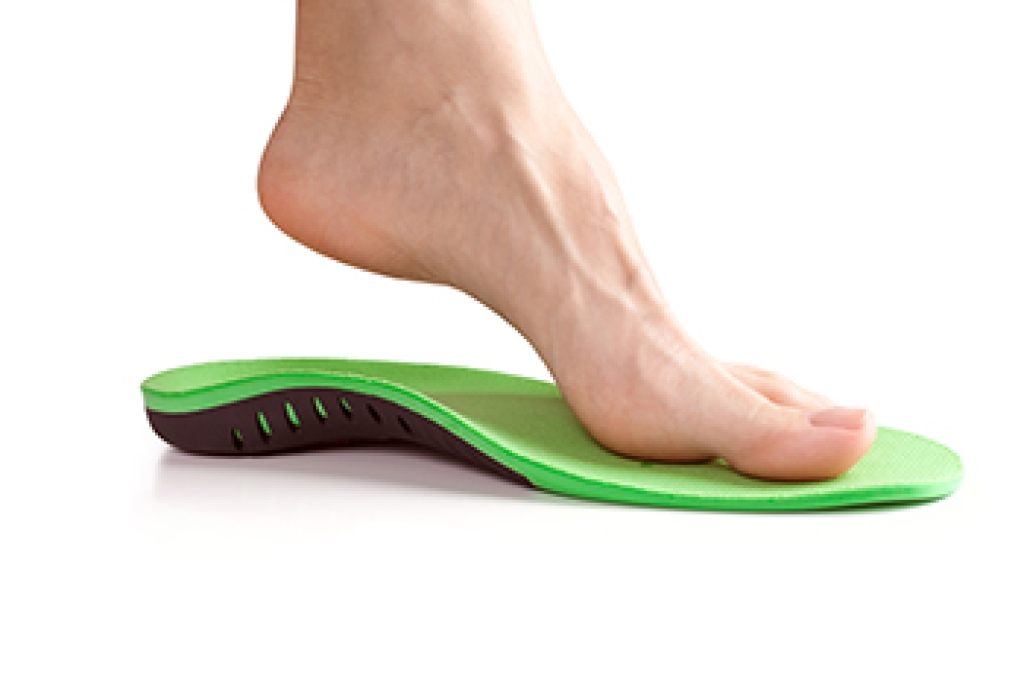
Custom orthotics, or shoe inserts, should be periodically replaced. Orthotics must fit properly to give you the best results. Protect your feet and ankles!

Connect With Us